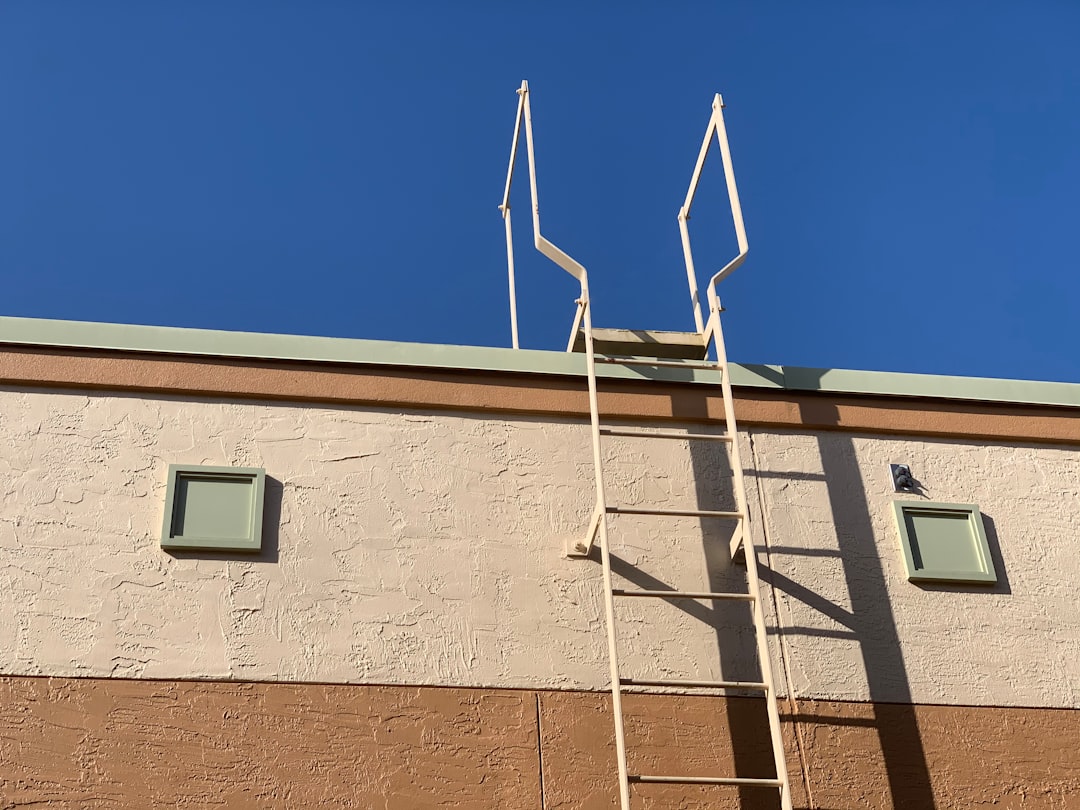







Discover expert insights on steel structures and mounting solutions for telecom and industrial projects, with a focus on UK manufacturing quality and compliance. Learn best practices, safety standards and design considerations for masts, towers, roof frames, guyed masts and antenna mounting systems. Explore structural steel fabrication, earthing and grounding, site safety equipment and end‑to‑end telecom infrastructure solutions.
Telecom Steelwork Insights: Masts, Towers & Mounting Solutions
Welcome to Telecom Steelwork Insights – a specialist resource dedicated to steel structures and mounting solutions for telecom and industrial projects, with a strong focus on UK manufacturing quality, safety and compliance.
Whether you design networks, manage roll‑outs, supervise construction, or maintain critical infrastructure, this site will help you make better‑informed decisions about masts, towers, roof frames, guyed masts, antenna mounting systems, structural steel fabrication, earthing and grounding, and site safety equipment.
1. Purpose of This Blog
1.1 What You Will Find Here
This blog will explore, in practical depth:
- Telecom steelwork fundamentals: materials, profiles, coatings and finishes.
- Antenna mounting solutions: sector frames, headframes, brackets and custom mounts.
- Masts and towers: lattice towers, monopoles, roof‑mounted masts and guyed solutions.
- Roof frames and grillages: for flat roofs, pitched roofs and complex structures.
- Guyed masts: design, tensioning, anchors and inspection.
- Structural steel fabrication: UK standards, welding quality and traceability.
- Industrial steelwork: platforms, walkways, ladders and equipment supports.
- Site safety equipment: access, fall protection, edge protection and signage.
- Earthing and grounding: lightning protection and RF‑safe bonding practices.
- End‑to‑end telecom infrastructure: from design and detailing to installation and maintenance.
Each article aims to combine engineering best practice with lessons learned from real‑world UK projects, giving you guidance that is both technically robust and immediately useful on site.
1.2 Who This Site Is For
This resource is aimed at professionals involved in telecoms, broadcasting and industrial projects, including:
- Network operators and towercos
- Consulting engineers and structural designers
- Telecom contractors and rigging teams
- Fabricators and steelwork detailers
- Project managers and construction supervisors
- H&S advisors and CDM duty holders
You do not need to be a structural engineer to benefit. Where technical concepts are required, we explain them in plain language, with practical examples and diagrams where possible.
2. Core Topics We Cover
2.1 Telecom Steelwork Essentials
2.1.1 Materials and Sections
We explore common steel grades and sections used in telecom structures, including:
- S275 and S355 structural steel for towers, masts and frames
- Hollow sections (CHS, SHS, RHS) for monopoles and antenna support arms
- Angle and flat sections for lattice bracing and connection plates
- Hot‑dip galvanised finishes for long‑term corrosion resistance in UK climates
Expect articles on how to choose the right section size, corrosion protection system and connection detail for your site conditions and loading requirements.
2.1.2 Design Codes and Standards
We highlight the design framework typically followed in the UK, such as:
- Eurocodes (EN 1993, EN 1991) for steel design and wind actions
- EN 1998 considerations where seismic checks are relevant
- BS EN 1090 for structural steel execution and CE/UKCA marking
- Relevant Ofcom, MNO and towerco specifications
Our goal is not to replace the standards, but to translate them into practical guidance – for example, what wind basic speed maps mean for antenna loading, or how partial factors influence member sizes.
2.2 Antenna Mounting Solutions
2.2.1 Types of Antenna Mounts
We examine configurations used across UK rooftops and towers, including:
- Sector frames and headframes for multi‑antenna clusters
- Single pole mounts for light antennas and small cells
- Wall and parapet brackets for constrained roof spaces
- Stub masts and tilt‑down mounts for easier maintenance access
Each solution will be discussed in terms of structural capacity, ease of installation, antenna alignment, maintenance access and impact on existing structures.
2.2.2 Design Considerations
Key design factors we will address include:
- Wind and ice loading on antennas and feeders
- Lever arms and torsion on supporting structures
- Clash management with RF paths, cable runs and other equipment
- Future proofing for additional sectors or technologies (5G, Massive MIMO)
We will also cover how to interpret antenna datasheets, wind areas and mounting codes when sizing support steelwork.
2.3 Masts and Towers
2.3.1 Lattice Towers vs Monopoles
We compare the most common tower types:
- Lattice towers – efficient for heavier loading and multiple tenants; more bracing and connections; high stiffness.
- Monopoles – cleaner aesthetic, smaller footprint, more common in urban sites; often higher fabrication precision and plate thicknesses.
Future posts will look at structural modelling, member checks, base design, access systems and options to upgrade existing towers for new equipment.
2.3.2 Roof‑Mounted Masts
Rooftop installations bring specific challenges:
- Load paths into sometimes fragile or unknown structures
- Waterproofing integrity around penetrations and fixings
- Dynamic response to wind and building movement
- Planning and visual impact in sensitive areas
We will provide guidance on grillage design, spreader beams, non‑penetrating frames, ballast systems and how to work with structural surveys to ensure the building can safely support new telecom loads.
2.4 Roof Frames and Grillage Systems
2.4.1 Flat Roof Frames
For flat roofs, we will explore:
- Grillage beams to distribute loads across multiple supports
- Bolt‑through vs. chemical anchor fixings
- Ballasted frames where penetrations are not permitted
- Interface details with insulation, membranes and finishes
2.4.2 Pitched Roof and Parapet Solutions
We also cover:
- Ridge and verge mounts for pitched roofs
- Parapet frames for limited footprints
- Load checks on rafters, purlins and masonry
Special focus is given to avoiding local overstress and mitigating water ingress risks – two of the most common long‑term issues on rooftop telecom sites.
2.5 Guyed Masts
2.5.1 When to Use Guyed Solutions
Guyed masts can be a cost‑effective option for taller structures where space allows. We explain:
- Site criteria (available footprint, access, ground conditions)
- Comparative cost and programme vs self‑supporting towers
- Typical height ranges and loading capacity
2.5.2 Design and Maintenance
We will discuss:
- Guy layout, angles and spacing
- Anchor design and soil considerations
- Tensioning, inspection and retensioning schedules
- Redundancy and safety factors for guy failure scenarios
Content will emphasise the importance of documented inspection regimes, corrosion checks and clear exclusion zones for guyed installations.
3. Structural Steel Fabrication & UK Manufacturing
3.1 Fabrication Standards and Certification
We highlight what to look for in a UK fabricator for telecom and industrial steelwork:
- BS EN 1090‑1 compliance and UKCA/CE marking
- Execution Class (EXC2 or EXC3) requirements for critical towers
- Welding procedures (WPS), welder approvals and NDT
- Material traceability and mill certificates
Articles will explain how these standards translate into real‑world quality, and how project teams can verify compliance when procuring steelwork.
3.2 Detailing for Fabrication and Erection
We cover the finer points of detailing that can make or break a project:
- Bolt grades, diameters and edge distances
- Hole tolerances, slotted holes and site fit‑up
- Lifting points, temporary bracing and stability during erection
- Designing for transport and handling (section lengths, weights, splice locations)
The aim is to help designers and project managers avoid costly rework and delays by understanding the interface between engineering drawings, workshop reality and site conditions.
3.3 Benefits of UK‑Based Manufacturing
With a focus on UK manufacturing, we will discuss:
- Shorter lead times and easier factory visits
- Aligned standards, language and regulatory expectations
- Improved after‑sales support and warranty clarity
- Lower risk of documentation gaps or misunderstanding around execution classes, coatings or testing
We will also share case‑style examples where local fabrication input improved design, safety or maintainability.
4. Industrial Steelwork & Ancillary Structures
4.1 Platforms, Walkways and Access Steelwork
Telecom and industrial sites often require supporting steelwork beyond the mast or tower itself. We will explore:
- Maintenance platforms for heavy radio or power equipment
- Walkways and gantries across roofs and plant areas
- Ladders, stairs and step‑overs around pipework and ducting
Guidance will emphasise safe access, clearances, load ratings and compliance with relevant British and European standards for access structures.
4.2 Integrating Telecom and Industrial Requirements
In industrial environments – such as refineries, data centres or manufacturing plants – telecom equipment must integrate with existing process steelwork. Future content will address:
- Vibration and dynamic loading from machinery
- Hazardous area classifications and equipment zoning
- Coordination with MEP, fire and process systems
Articles will demonstrate how to work collaboratively across disciplines to avoid conflicts and rework during installation.
5. Site Safety Equipment and Practices
5.1 Access, Fall Protection and Edge Safety
Safety is central to every project. We will provide practical guidance on:
- Permanent ladders and safety cages
- Fall arrest systems: rail, cable and anchor points
- Guardrails, handrails and toe boards around walkways and platforms
- Temporary edge protection during construction
Our content will align with UK regulations and accepted good practice, helping you design and operate sites that protect riggers, engineers and visitors.
5.2 Construction Phase Safety
We also look at safety during construction and upgrade works:
- Lifting and cranage for towers, masts and heavy components
- Site segregation and exclusion zones for public safety
- Working at height procedures and rescue planning
- Documentation: RAMS, permits and handover packs
The emphasis will be on practical, evidence‑based measures that can realistically be implemented on telecom and industrial sites across the UK.
6. Earthing, Grounding and Lightning Protection
6.1 Why Earthing Matters
Robust earthing and grounding is critical for:
- Equipment protection during lightning and fault events
- Personnel safety from touch and step voltages
- RF performance, noise reduction and interference control
We will explore earthing strategies for towers, masts, roof frames and outdoor equipment, including typical arrangements used by UK operators.
6.2 Practical Earthing Solutions
Topics will include:
- Earth ring conductors, rods and plates
- Bonding of steelwork, feeders and metallic services
- Integration with lightning protection systems (LPS)
- Testing and maintenance of earth systems
We will explain how to use measured soil resistivity, target resistance values and site constraints to arrive at a cost‑effective and compliant earthing design.
7. End‑to‑End Telecom Infrastructure Perspective
7.1 From Concept to Commissioning
This blog takes an end‑to‑end view of telecom infrastructure, walking through:
- Concept and site selection – constraints, planning and stakeholder priorities.
- Structural design – masts, towers, frames and supporting industrial steelwork.
- Fabrication – drawings, detailing, QA and factory inspections.
- Installation – logistics, cranes, lifting plans and on‑site coordination.
- Testing and commissioning – structural checks, earthing tests and documentation.
- Operations and maintenance – inspection cycles, upgrades and decommissioning.
By understanding this full lifecycle, you can make more informed choices at each stage, leading to safer, more resilient and more economical sites.
7.2 Integrating New Technologies
As networks evolve, existing steelwork must adapt. We will look at:
- Upgrades for 5G and Massive MIMO antennas
- Sharing and consolidation across operators and towercos
- Managing additional loading on legacy structures
- Digital tools: 3D scanning, BIM and digital twins for towers and rooftops
The focus will be on how to upgrade safely and compliantly, maintaining service while minimising risk to both people and assets.
8. UK Compliance, Quality and Best Practice
8.1 Navigating UK Regulations
We will help you navigate the UK regulatory landscape as it affects telecom and industrial steelwork, including:
- Building Regulations and local planning requirements
- Health and Safety at Work Act and associated regulations
- CDM Regulations for construction projects
- Ofcom and operator guidelines where relevant
Our articles will summarise obligations and highlight practical steps to demonstrate compliance through documentation, testing and competent design.
8.2 Developing Robust Standards on Your Projects
Beyond strict regulation, we will share ideas on how organisations can embed internal standards and repeatable workflows for:
- Standard tower and frame families with known capacities
- Template calculations and checklists for typical schemes
- Standard detail libraries for connections, earthing and access
- Inspection and maintenance regimes tailored to asset types
The aim is to support teams in creating a consistent, auditable approach that improves safety, speeds up delivery and reduces cost over the long term.
9. How to Use This Site
9.1 Browse by Topic
Content will be organised into clear categories such as:
- Masts & Towers
- Antenna Mounting & Roof Frames
- Structural Steel Fabrication
- Industrial Steelwork & Access
- Earthing & Lightning Protection
- Safety & Compliance
You can jump directly to the area that matches your current project or explore more widely to build a broader understanding of telecom steelwork.
9.2 Practical Resources and Tools
Over time we intend to provide:
- Checklists for surveys, design reviews and site inspections
- Rule‑of‑thumb guides for early sizing and feasibility checks
- Example details and sketches to spark design ideas
- Glossaries explaining key terms for non‑specialists
These resources are designed to be used at your desk or on site, supporting day‑to‑day decision‑making.
10. Stay Informed
Telecom and industrial infrastructure is evolving quickly, driven by new technologies, higher data demand and stricter expectations on safety, resilience and sustainability.
By following this blog, you will stay current with best practices in telecom steelwork, antenna mounting, masts and towers, roof frames, guyed masts, industrial steelwork, site safety equipment, earthing and grounding, and UK manufacturing standards.
Whether you are planning a new greenfield site, upgrading a rooftop installation, or maintaining a national network, our goal is to provide clear, technically grounded insights that help you deliver safe, compliant and reliable infrastructure.
Explore the latest articles, bookmark the topics most relevant to your role, and use this site as a reference as you navigate your next telecom or industrial project.