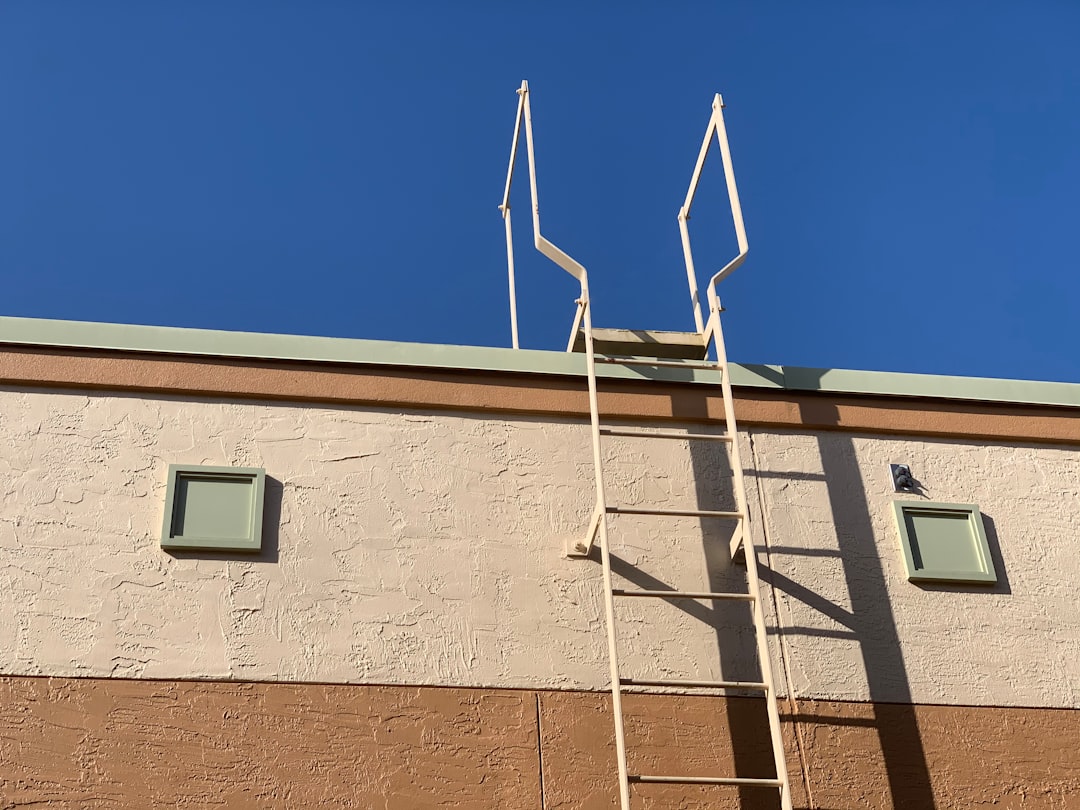





Effective earthing and lightning protection for telecom masts and rooftops

Effective earthing and lightning protection for masts and rooftop sites safeguard equipment, personnel and surrounding infrastructure from hazardous fault currents and lightning strikes. Je will walk you through practical design principles — from earth electrodes and soil resistivity measurement to robust bonding strategies and relevant UK guidance — so que vous puissiez make informed, safe choices for telecom mast and rooftop installations.
Understanding earthing fundamentals for masts and rooftops
Role of earth electrodes in dissipation of fault and lightning currents
Earth electrodes form the primary route for currents to flow safely into the ground. A typical installation for a mast or rooftop site uses a combination of vertical rods, horizontal conductors (trenches) and ring electrodes to increase contact area with soil. For lightning impulses you want low impedance to earth, not just low DC resistance: that means a distributed electrode system often performs better than a single rod. When je design a system, I prioritise redundancy so that if one electrode corrodes or loses contact, the system still performs.
Soil resistivity: measurement and interpretation
Soil resistivity dictates electrode sizing and spacing. I recommend a Wenner or Schlumberger four-pin test to map resistivity at different depths. High-resistivity soils (rock, sand) may require deeper electrodes, chemical treatment, or extended conductive meshes. Low-resistivity soils (clays, marsh) allow shorter electrodes. Interpret results in terms of both ohm·m and practical implications: for lightning, transient earth impedance is influenced by soil permittivity and layering, so multiple depth readings are essential.
Bonding practices and equipotential techniques
Effective equipotential bonding for mast structures
Bonding connects metallic elements (mast, gantries, cabinets, lightning down conductors) into a common potential to avoid dangerous step and touch voltages. Use low-inductance conductors, minimise loops, and connect at single or multiple equipotential points depending on site geometry. For rooftop installations, a continuous ring main tied to the mast base and building earth reduces differential voltages during surges.
Bonding to services and earthing networks
You must bond telecom equipment to incoming services — power, CATV, water, gas and telecom cables — where they enter the building or compound. Use exothermic welds or mechanical clamps rated for lightning currents. If vous connect to a remote substation or external earth, provide potential equalisation and consider isolation transformers or surge protective devices (SPDs) where required by the operator’s policy.
Lightning protection strategies for rooftops and masts
Down conductors, air termination and surge protection
A proper lightning protection system includes air termination (rods or catenary), down conductors and a proven earth termination system. Down conductors should follow the shortest feasible path to earth, be continuous, and avoid sharp bends. Install SPDs at equipment input points (power, signal, antenna feeders) to clamp surges and divert residual energy to earth. Use coordinated SPD classes (Type 1 at service entrance, Type 2 downstream) to maintain protection levels.
Designing for direct strikes, shielding and cascading failures
Masts are tall targets; shielding every cable and antenna isn’t always possible. Design for the most likely scenarios: direct strike to the mast, strike near the rooftop, or induced surge on feeders. Implement cable shielding, bonded RF chokes, and isolated equipment cabinets with their own bonded earth connection. I advise performing a risk assessment based on expected lightning current distribution and protecting the most critical equipment first.
UK telecom standards and best-practice guidance
Applicable UK and international standards
Follow BSI standards such as BS 7430 (earthing and bonding practice) and BS EN 62305 (protection against lightning) as primary references. Operators and site owners (for example, network operators’ site design manuals) typically layer site-specific requirements over these standards. ETSI documents and manufacturer datasheets for SPDs and grounding materials also provide valuable detail.
Testing, commissioning and ongoing maintenance regimes
Testing must cover both DC resistance and Earth impedance under fault and transient conditions. Record earth resistance, continuity of bonding, and SPD condition at commissioning and periodically — especially after severe storms or structural work. Visual inspections for corrosion, loose clamps and cable degradation are inexpensive measures that prolong system life. Je recommend a maintenance log with dates, readings and remedial actions for compliance and troubleshooting.
- Perform soil resistivity surveys before finalising electrode design
- Use exothermic bonding or rated clamps for all critical connections
- Coordinate SPD types and locations for cascade protection
- Test after installation: DC resistance, continuity and a sample transient test where feasible
- Maintain clear documentation and scheduled inspections
Key Takeaways for Effective Earthing and Lightning Protection
Je hope this gives vous a pragmatic roadmap: design with low-impedance electrodes, measure and adapt to soil resistivity, implement robust equipotential bonding, and apply layered lightning protection with coordinated SPDs. Follow BS 7430 and BS EN 62305, integrate operator-specific requirements, and keep a disciplined testing and maintenance regime. With thoughtful design and regular care, vous réduirez risks to equipment and people while ensuring long-term, reliable telecom service on masts and rooftops.
For worked examples, practical calculators and supplier-neutral guidance on soil resistivity surveys, electrode layouts and SPD coordination that complement this overview, see flacc.co.uk.