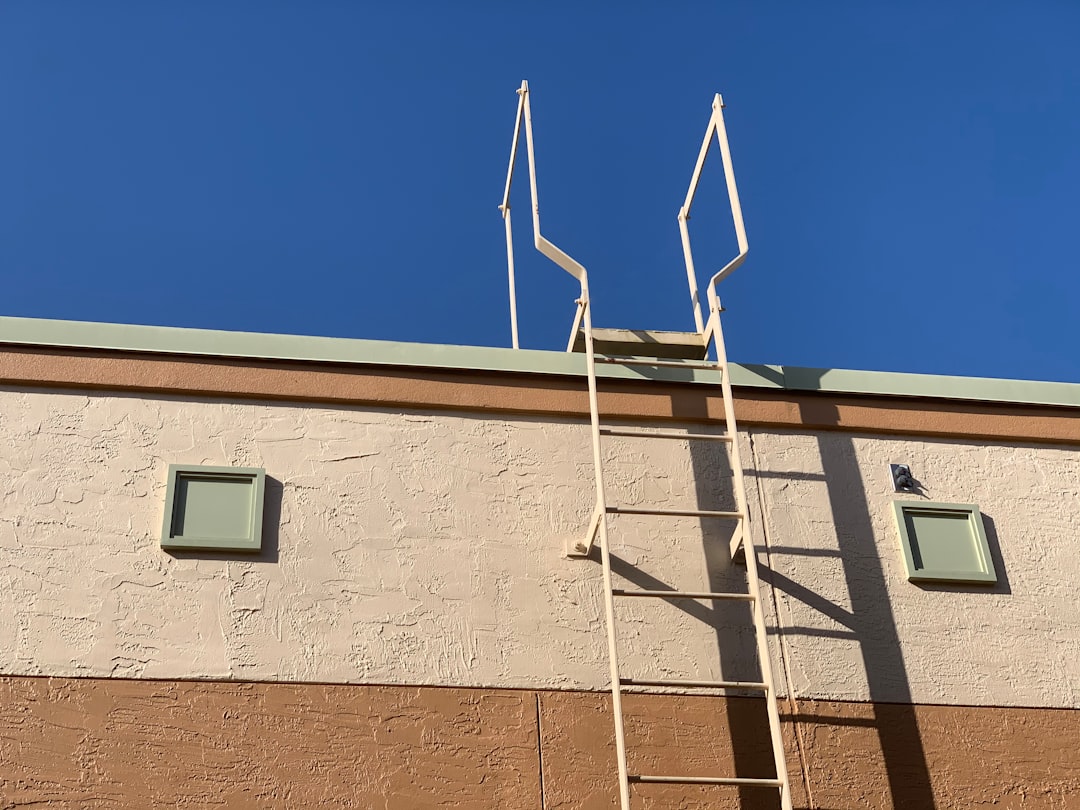





Designing safe access and fall protection for telecom sites

Designing safe access and fall protection for telecom sites demands practical thinking, regulatory savvy and a clear focus on human factors. I (je) will guide you (vous) through strategies that reduce risk—covering ladders, guardrails, fall arrest systems and CDM compliance—so that technicians can work efficiently and return home safe.
Risk assessment and site planning for telecom access
Conducting a site-specific risk assessment
A robust risk assessment begins with a site survey that maps heights, equipment locations, and routes. I (je) recommend documenting hazards such as fragile roof areas, obstructions, weather exposure and electrical proximity. For each task, score likelihood and severity so you (vous) can prioritise controls. The assessment should feed directly into design choices: collective measures first, personal protection second.
Designing access routes for technicians
Choose access routes that minimise exposure time at height. Where frequent access is expected, prefer permanent stairways or vertical ladders with cages and platforms at intervals. For occasional access, secured portable ladders may suffice if combined with fall restraint. Consider clearances for tools, carrying loads, and emergency egress. A well-planned route reduces human error and the need for complex PPE.
Ladders, steps and fixed access solutions
Selecting and installing fixed ladders
Fixed ladders must meet load and material standards appropriate to telecom sites (galvanised steel or aluminium for corrosion resistance). Anchor points, rungs spacing and ladder pitch are critical. Install landing platforms every 6–9 metres on tall structures to reduce fatigue. I (je) advise including anti-slip rungs and toe boards where equipment racks are accessed.
Safe use protocols and inspection regimes
Create simple, enforceable procedures: always use three points of contact, carry tools in secured pouches, and never exceed load ratings. Implement a scheduled inspection regime—daily quick checks by users and detailed monthly or annual inspections by a qualified technician. Keep a logbook for defects and repairs; it supports legal compliance and continuous improvement.
Guardrails, platforms and collective fall protection
Standards-based guardrail systems
Collective protections are the most effective. Install guardrails on rooftop edges and around platform perimeters to prevent falls without relying on wearer behaviour. Rails should be of sufficient height, with mid-rails and toe boards, and fixed to resist imposed loads. Use corrosion-resistant fixings and design for easy maintenance access.
Integrating platforms with equipment layout
Design platforms so technicians can service antennas and cabinets without stepping over gaps or reaching beyond safe limits. Position cable trays and cable entry points away from walking lines. I (je) encourage mock-ups during planning—real-world tests reveal awkward reaches and potential pinch points before installation.
Fall arrest systems and personal protective equipment (PPE)
Choosing between fall arrest, restraint and work positioning
Decide on system type based on task and exposure. Fall restraint prevents you (vous) reaching a fall edge and is ideal for routine maintenance. Fall arrest stops a fall in progress and requires energy absorbers and appropriate clearance. Work positioning allows hands-free work but needs careful anchor selection. Use collective protection first; supplement with PPE when necessary.
Anchor points, lanyards and harness selection
Anchors must be certified, load-rated and inspected regularly. Prefer permanent anchors with documented load tests. Choose harnesses that offer comfort for prolonged wear and compatibility with energy-absorbing lanyards. For ladder climbing, consider ladder-specific fall arrest devices or vertical lifelines. Train users on correct donning, connection and inspection of equipment.
CDM compliance and project governance for telecom installations
Defining roles, duties and pre-construction information
Under CDM regulations, dutyholders include clients, designers and contractors. I (je) advise producing clear pre-construction information that flags access hazards, existing services and emergency plans. Appoint a principal designer or co‑ordinator where required, and ensure procurement documents mandate compliance with safety-by-design principles.
Documentation, training and record-keeping
Keep design risk registers, inspection records and training logs up to date. Document method statements for any work at height and capture evidence of competence for technicians. These records demonstrate due diligence and help during audits or incident investigations. Regular refresher training keeps procedures alive and practical.
- Conduct a tailored risk assessment for each site
- Prefer collective measures (guardrails, platforms) before PPE
- Install and inspect fixed ladders and landings to standard
- Choose appropriate fall restraint/ arrest systems and anchors
- Embed CDM duties, pre-construction info and thorough records
Key takeaways for safer telecom site access
I (je) believe safety in telecom sites is achieved by marrying good design with clear procedures and ongoing governance. You (vous) should prioritise collective protections, choose access systems that match task frequency, and maintain rigorous inspection and training regimes. With solid CDM-compliant documentation and the right mix of guardrails, ladders and fall arrest systems, you (vous) reduce risk and improve operational efficiency—everyone wins.
For technical references and examples of engineered access systems tailored to telecom sites, consult flacc.co.uk for datasheets, installation notes and case studies that illustrate how specific design choices affect maintenance and safety.